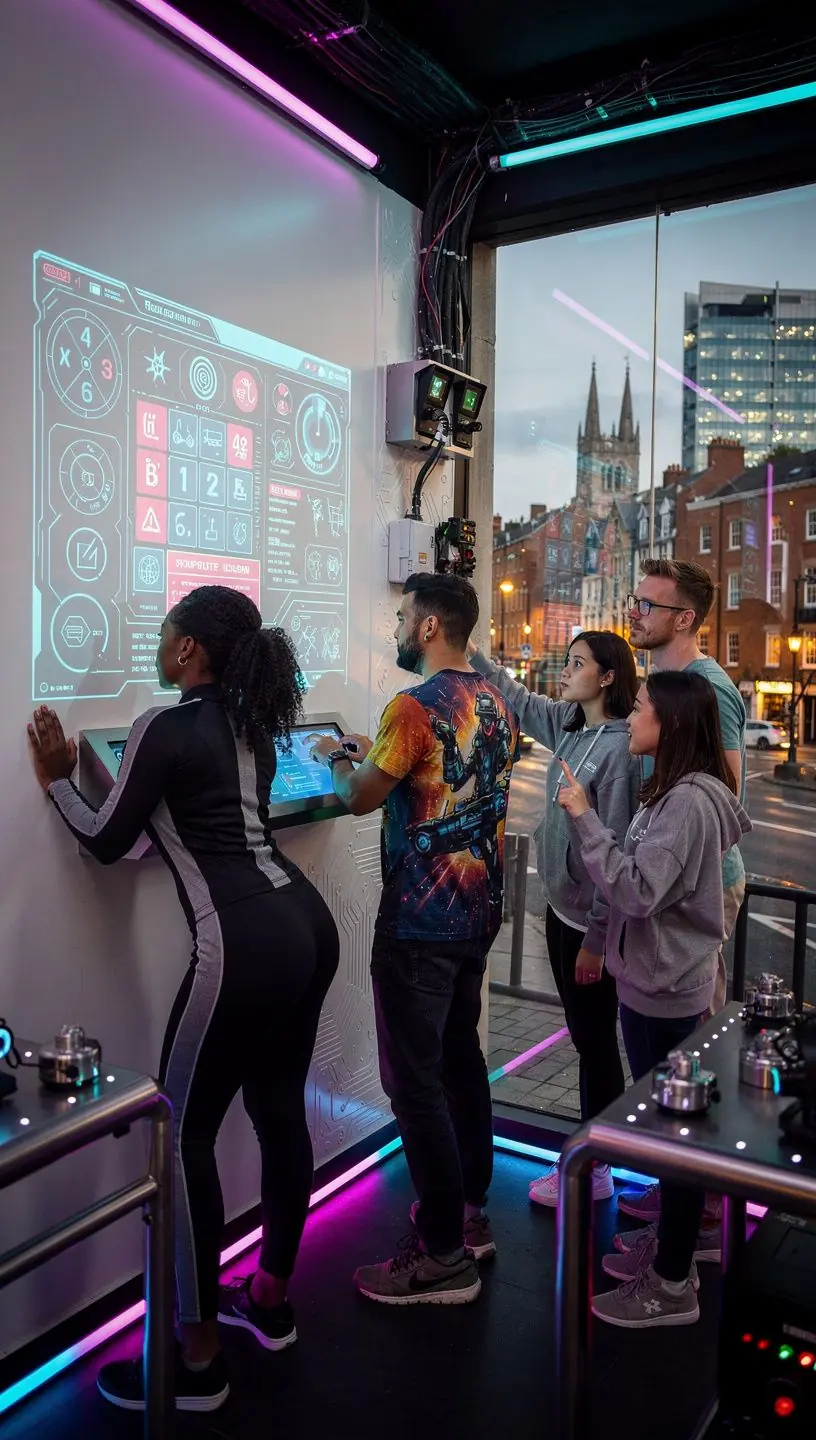
Tips for Creating Memorable Escape Room Experiences
Creating an escape room experience that lingers in the minds of participants takes careful planning and design. Here are some practical tips to help you craft unforgettable adventures that cater to various difficulty levels.
Understanding the Basics of Escape Room Design
To create a successful escape room, it’s essential to understand the fundamental principles of game design. According to research, effective escape rooms should balance puzzles, storytelling, and immersion. These elements work together to engage participants and enhance their experience. Experts recommend starting with a strong theme that resonates with your target audience, as this can significantly impact their enjoyment.

"A well-crafted theme not only provides context but also enhances player engagement and satisfaction." - Industry Expert
Creating Engaging Puzzles
Puzzles are the heart of any escape room. Many users report that a mix of different puzzle types keeps the experience fresh and engaging. Consider including:
- Logical challenges that require critical thinking skills.
- Physical tasks that encourage teamwork and collaboration.
- Hidden clues that prompt exploration and curiosity.
It’s important to tailor the difficulty level of these puzzles to accommodate varied skill sets, ensuring that even novice players can feel a sense of accomplishment.
Storytelling and Immersion
Storytelling can elevate an escape room experience. Research indicates that participants are more likely to enjoy and remember their time in an escape room that has a compelling narrative. Integrating elements of storytelling can enhance immersion, making players feel like they are part of a larger adventure. This can be achieved through:
- Contextual clues: Ensure that clues and puzzles contribute to the overall storyline.
- Atmosphere: Utilize lighting, sound effects, and props to create a convincing environment.
- Character involvement: Consider having an actor or guide who can enhance the narrative and provide hints.
Acknowledging Limitations and Setting Expectations
Building an escape room can be a time-consuming process, typically requiring 2-4 weeks for design and setup, depending on the complexity of your concepts. It’s crucial to acknowledge the learning curve involved, especially if you are new to escape room design. Many designers recommend starting with simpler concepts and gradually incorporating more complex elements as you gain experience.
Conclusion
Creating a memorable escape room experience involves a combination of engaging puzzles, compelling storytelling, and immersive environments. By understanding the basics of design and acknowledging the effort required, you can craft an adventure that appeals to a wide range of participants. Remember, the goal is to provide an enjoyable challenge that players will be excited to recommend to others.