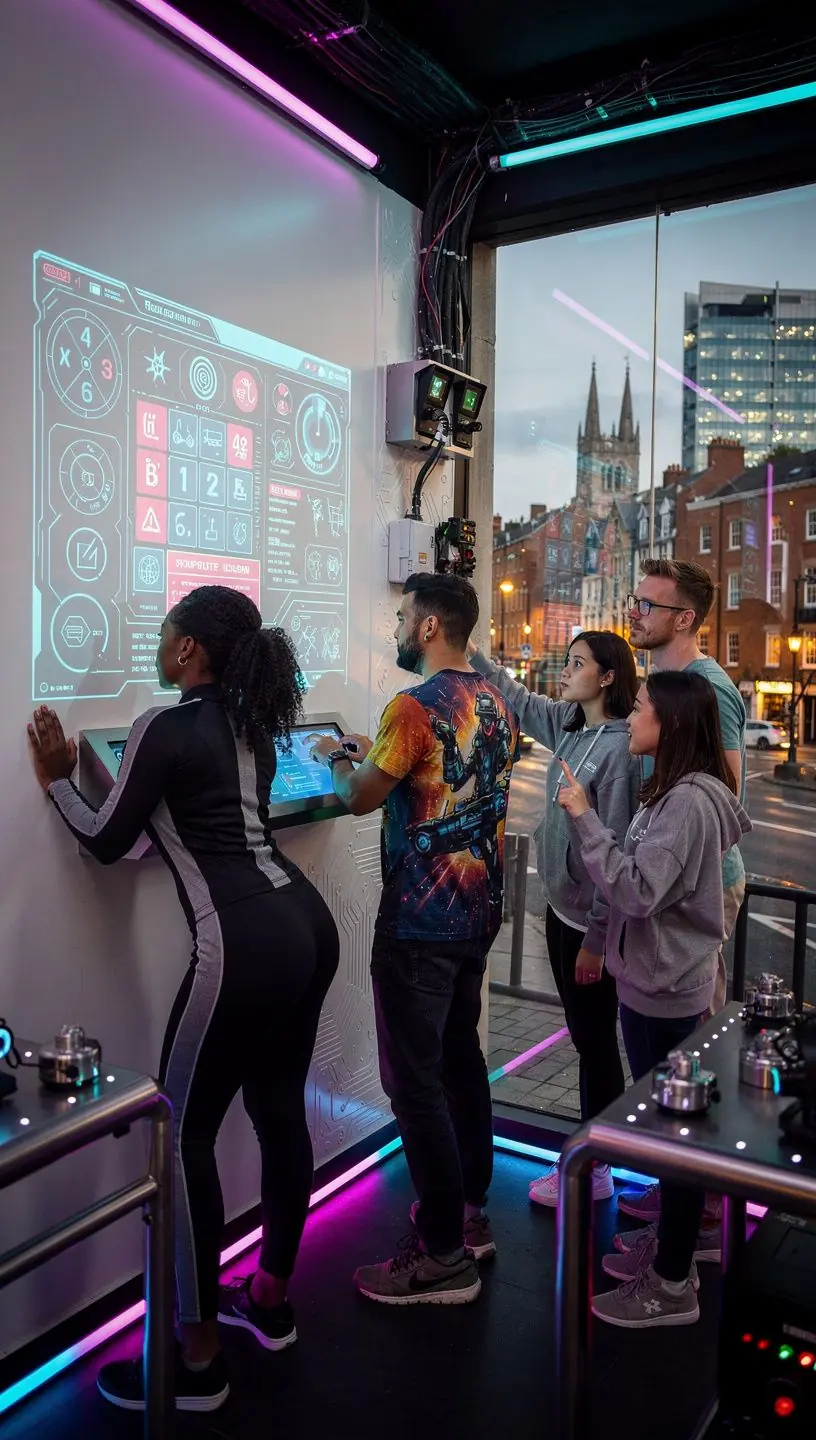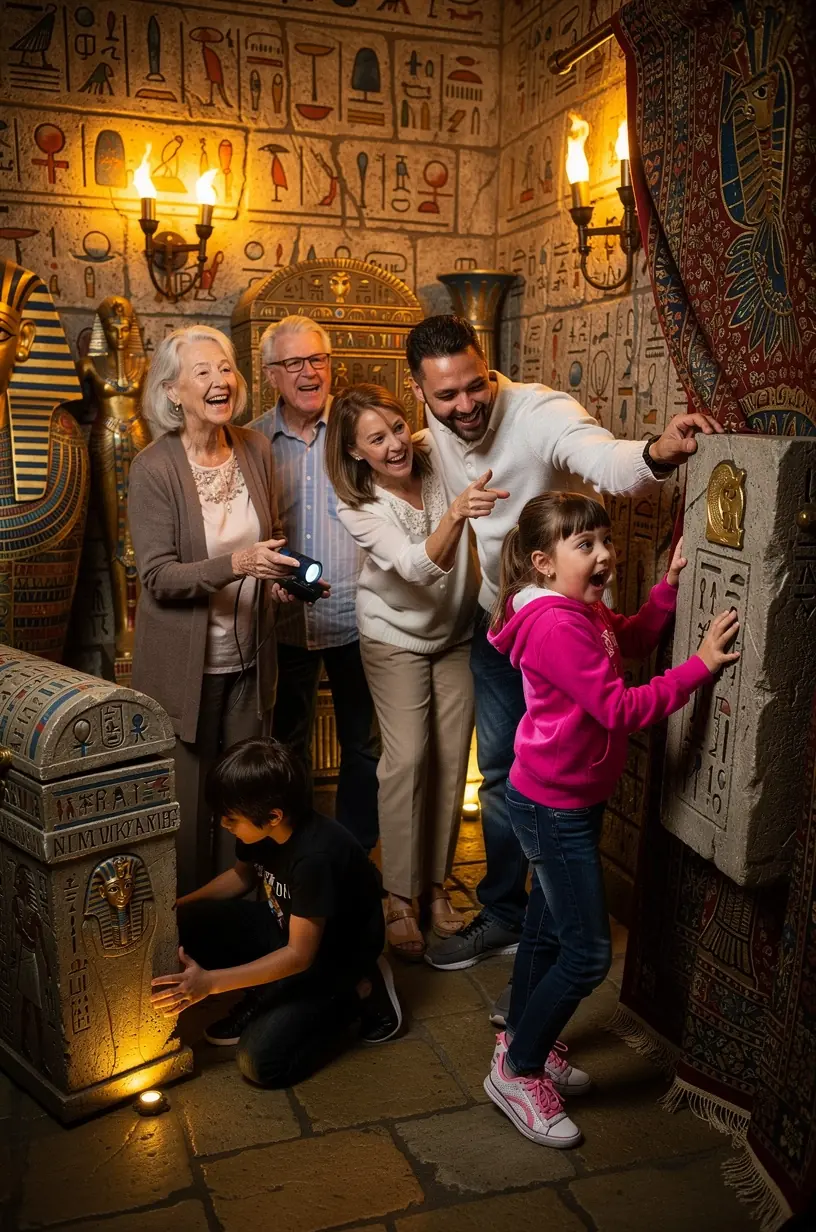
Designing Engaging Puzzles for Multi-Room Adventures
Creating puzzles for adventure quest hubs that combine multiple escape rooms presents unique challenges and opportunities. This article explores methods to design engaging puzzles that cater to various difficulty levels, ensuring an enjoyable experience for all participants.
Understanding the Basics of Puzzle Design
Effective puzzle design is rooted in understanding the psychology of participants. According to research from the field of cognitive psychology, people engage more deeply with tasks that challenge their problem-solving abilities while being enjoyable. This balance can be achieved by incorporating elements that are both challenging and accessible.
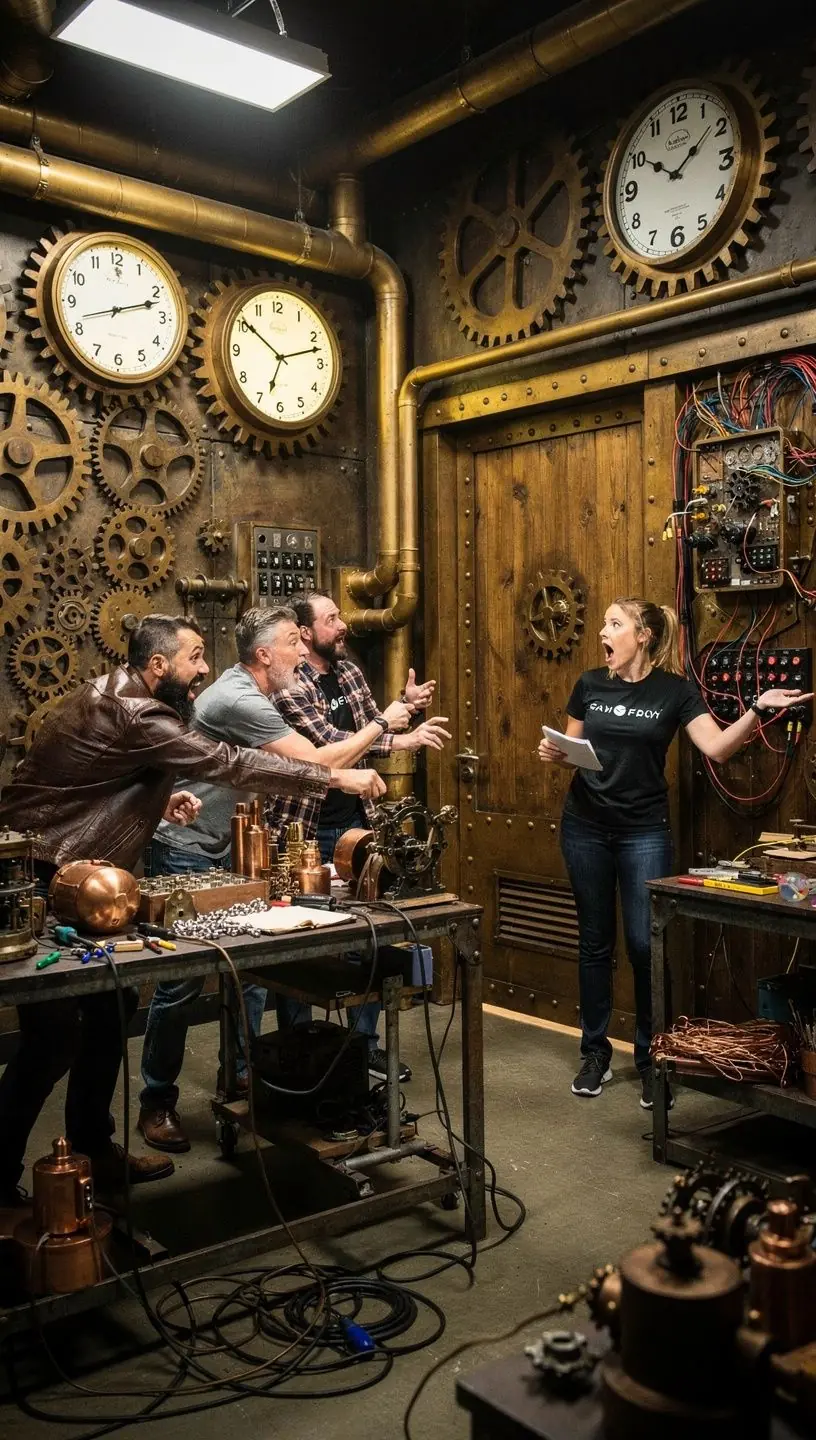
"A well-designed puzzle should invoke curiosity and provide a sense of accomplishment without causing frustration." – Industry Expert
Key Components of Engaging Puzzles
When designing puzzles for adventure quest hubs, consider the following components:
- Variety of Difficulty Levels: It is crucial to incorporate puzzles that range in difficulty. Many users report that having options allows for both novice and experienced players to enjoy the experience. In most cases, a tiered difficulty system can enhance engagement.
- Collaborative Elements: Puzzles that require teamwork can significantly enhance the experience. Studies show that collaborative tasks often lead to better problem-solving outcomes and increased satisfaction among participants.
- Thematic Integration: Puzzles should align with the overarching theme of the adventure quest hub. This works because participants are more likely to stay engaged when they feel immersed in the storyline and setting.
Effective Puzzle Design Methodologies
Designing effective puzzles involves several methodologies that help ensure a balanced level of challenge and engagement:
- Test and Iterate: Designing puzzles is an iterative process. Experts suggest that prototyping puzzles and testing them with actual users can reveal insights into difficulty and engagement. This typically requires several cycles of testing and refinement.
- Incorporate Feedback: Gathering feedback from participants can help pinpoint areas of confusion or frustration. Involving a diverse range of testers can provide a broader perspective on the puzzle's effectiveness.
- Utilize a Storytelling Approach: Integrating a narrative into puzzles can enhance the experience. According to studies in game design, narratives can create emotional connections, making challenges feel more significant.
Conclusion
Designing engaging puzzles for multi-room adventures requires a thoughtful approach that considers various factors, from difficulty levels to thematic consistency. By following industry best practices and focusing on user experience, creators can develop puzzles that not only challenge participants but also enhance their overall enjoyment. Remember, the goal is to create a memorable experience that brings players together in a fun and engaging way. By prioritizing education and practical insights, you can refine your approach to puzzle design and create adventures that resonate with a wide audience.
Learn More